



What Is Brand Identity Design?
Brand identity design turns your brand’s positioning and personality into a recognizable visual system. It includes your logo, colors, typography, graphics, photography, and guidelines for using them.
These elements bring your brand identity to life across packaging, storefronts, and marketing materials. Used consistently, they help customers recognize your business and build familiarity over time, making design an important part of brand building.
For small businesses with limited time and design resources, this provides a clear starting point for new materials as products and sales channels grow.
This article focuses on visual identity design, the visual part of a broader identity that also includes your brand voice, values, and story.
Why Brand Identity Design Matters for Small Businesses
Help customers recognize your brand
Customers browsing product listings, social feeds, or store shelves often encounter dozens of similar options. Distinctive colors, typography, and graphics give them visual cues to recognize your brand.
According to Ipsos research on distinctive brand assets, brands with stronger portfolios of distinctive brand assets perform better on measures including awareness, consideration, and usage. Repeated visual cues help customers connect what they see now with a brand they encountered before.
For returning customers, brand recognition makes familiar products easier to find. Recognition can support repeat purchases, while product quality and service give people a reason to come back.
Help shoppers decide whether your brand is right for them
When shoppers encounter an unfamiliar brand, its packaging, imagery, and copy help them decide whether it fits their preferences and needs. These details make your brand positioning more tangible.
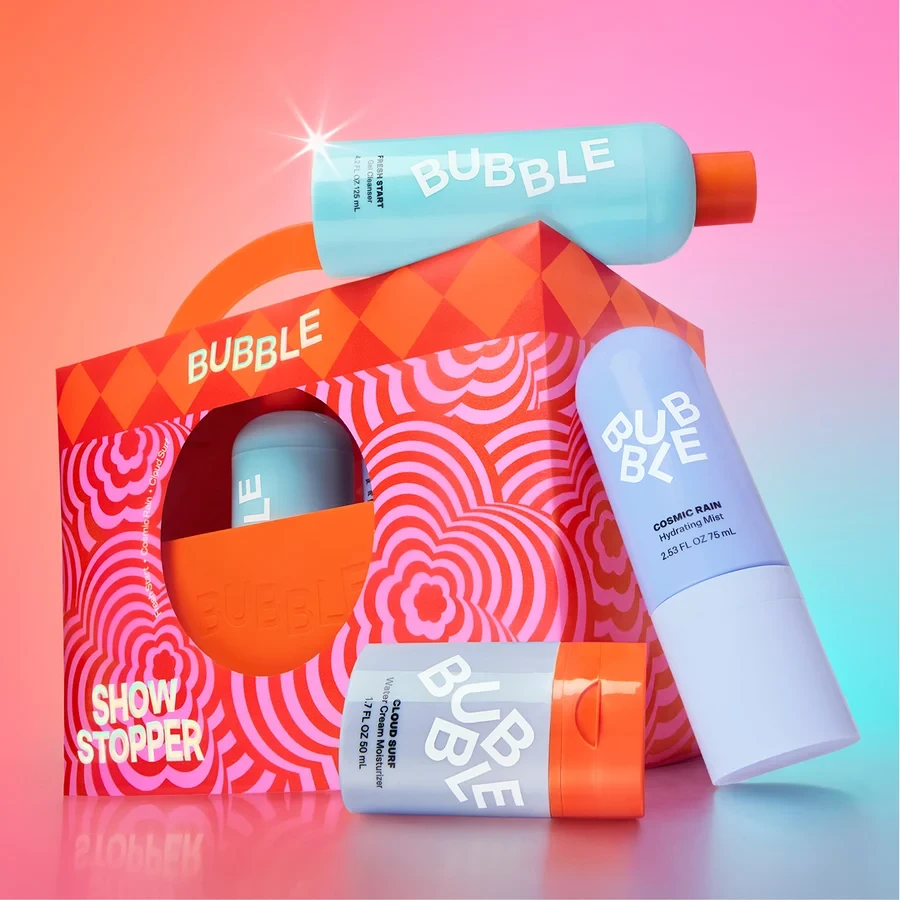
Skincare brand Bubble offers an example. As Vogue Business reports, playful packaging is part of its appeal to younger consumers. In the image below, Bubble Skincare pairs a softly colored bottle with an orange-red cap. Tilted, staggered white lettering adds playfulness, while smaller black text identifies the product and its purpose. Together, these details communicate a youthful, approachable brand personality while helping shoppers understand what they’re buying.
Build familiarity across customer touchpoints
A customer might discover your brand through a social ad, browse your products on a marketplace, and later see them in person. Consistent visual cues help connect those encounters.
This illustrates the importance of brand consistency. Familiar colors, typography, and graphics help customers recognize the same business even when the format changes. Brand consistency also connects expectations across online and physical experiences, such as when a package arrives looking like the product a customer saw online.
Trust matters, too. In the 2025 Edelman brand trust report, 88% of respondents across 15 markets said trust was important or a deal breaker when deciding which brands to buy or use. A coherent visual identity is one part of the experience. Accurate product information, quality, and reliable service also shape customer trust.
Give shoppers a reason to take a closer look
On a crowded shelf, packaging is often a shopper’s first introduction to a product. Eye-catching colors, a clear brand name, and distinctive graphics can attract attention and invite a closer look.
Imagine a snack aisle filled with similar-looking packages. A product with a distinctive illustration or contrasting color palette might catch a shopper’s eye first. They can then check the flavor, ingredients, and price to decide whether it suits their needs.
Packaging design has two jobs here: attract attention and communicate useful information. The visuals encourage exploration, while clear product details help shoppers evaluate the purchase.
Make your brand’s appeal easier to understand
Before trying a new brand, customers need to understand what it offers and why it’s worth considering. Brand identity design can make that appeal more immediate.
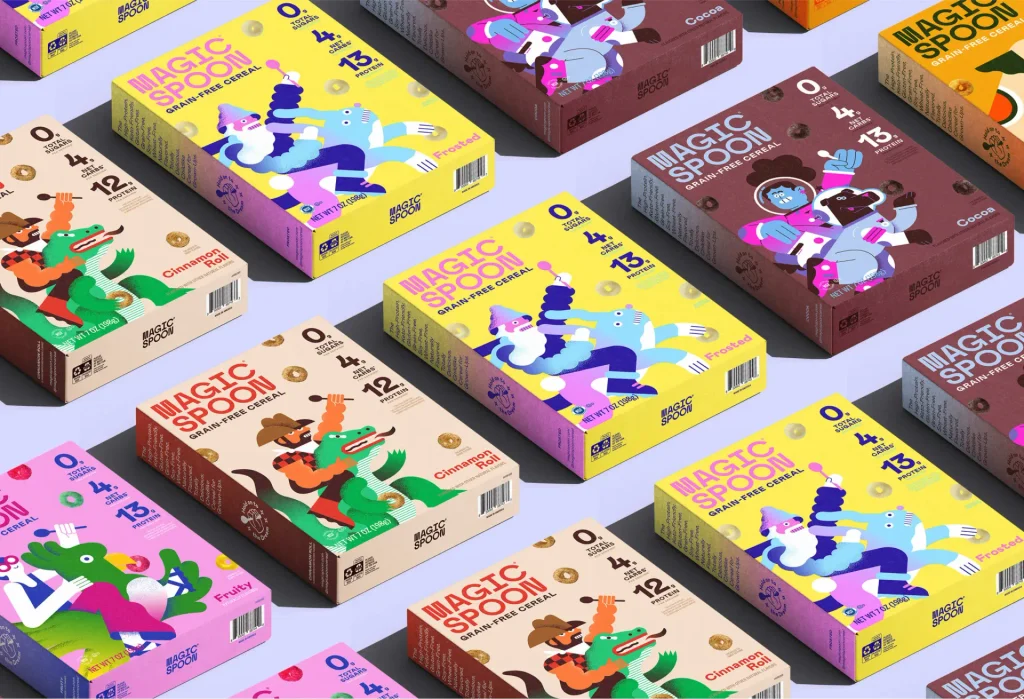
Cereal brand Magic Spoon built its early identity around a specific consumer desire. AIGA’s Eye on Design discussed the brand as part of a shift toward foods combining health-conscious positioning with fun. Its agency, Gander, used vibrant colors and playful language to convey the idea of childhood cereal made for adults.
That approach connects product benefits with a familiar emotional experience. It gives customers a clearer sense of the brand and a reason to learn more.
How to Ensure Brand Consistency Across Your Visuals
You don’t need to wait for a full rebrand to review your visual identity. If you’re wondering how to ensure brand consistency, start with the places customers encounter your business most often.
Review your main touchpoints together
Gather your store homepage, representative product images, social posts, and packaging designs on one board. Look for shared colors, typography, photography styles, and logo treatments.
If they feel disconnected, choose a direction that reflects your current positioning and prioritize the materials customers see most. Layouts can change across channels while retaining recognizable brand elements.
Shopify’s small business brand identity guide recommends using a style guide to create a consistent framework for websites, packaging, social media, and other marketing materials. Keep your brand guidelines, approved assets, and imagery references together so future designs have a clear starting point.

Review packaging and brand consistency in context
Evaluate packaging and brand consistency where shoppers make decisions. Place your package alongside competing products to approximate a shelf display or product search results.
Ask whether it attracts attention and whether shoppers can quickly understand the product category and key features. A distinctive design still needs to communicate what you’re selling.
Then compare products within your own range. Shared logos, typography, and layouts can connect the collection, while flavor imagery, supporting colors, or labels distinguish individual products.
Check readability at realistic sizes
Reduce product images to the size shoppers would see in a mobile listing. Check whether the brand name, product type, and key differences remain legible. Review packaging at its actual dimensions, too.
Ask a few target customers to take a quick look. What product do they think it is? Which brand do they recognize? What information stands out first?
Use recurring points of confusion to prioritize changes. These checks can identify immediate needs before you invest in a more extensive visual identity system.
5 Tools to Create and Apply Your Brand Identity
If you’re exploring how to design a brand identity, choose tools based on the work you need to do. A new business may need help exploring visual directions, while an established brand may need templates, asset management, and ongoing content production.
1. Packify: Connect design, production, and marketing
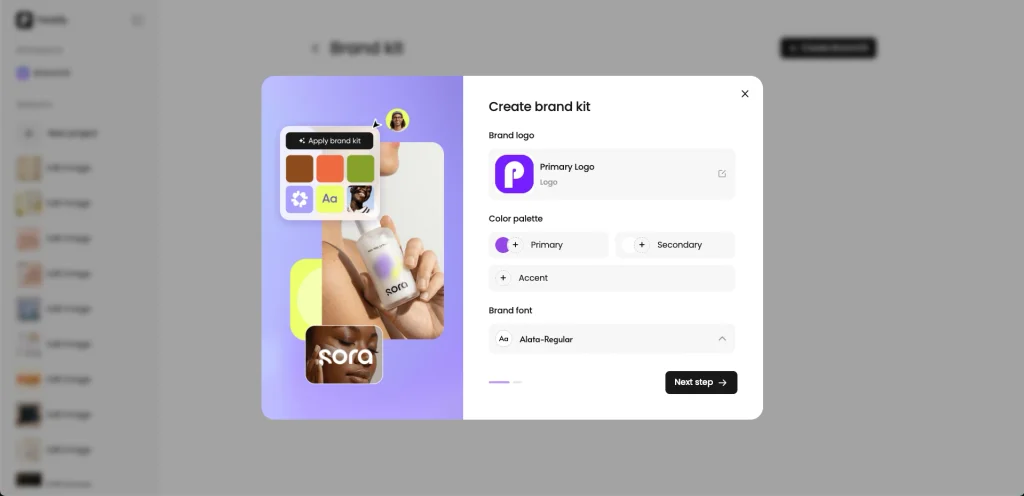
Packify supports brand design, packaging production, and marketing. Use its AI tools to explore logo and packaging ideas, organize assets with Brand Kit, and turn packaging images into visuals for ads, social posts, product listings, and Amazon A+ Content. Once you’ve settled on a packaging design, you can also inquire about printing services.
For business owners without a design background, refining prompts, comparing options, and editing details can take considerable time. The results may also fall short of expectations. Packify offers professional brand identity design services, with designers who can help establish a visual direction and develop it across brand materials.
2. Canva: Create everyday brand content with templates
Canva’s template library covers social posts, ads, presentations, posters, and more. Small teams can customize existing layouts instead of starting from scratch, then use Brand Kit to apply their logos, colors, and fonts. Saving commonly used designs as templates helps keep recurring content consistent.
3. Adobe Express: Apply brand assets to images and video
Adobe Express combines templates, image editing, and video tools to turn product assets into promotional graphics and short videos. Its brand kit stores logos, colors, and fonts for reuse, making it useful for small teams that need both static and video content with a consistent look.
4. Looka: Build basic brand materials around a logo
Looka helps new businesses explore logo design by generating options based on a business name and preferred styles, colors, and symbols. Its Brand Kit extends a selected logo into business cards and social assets. Packaging and other specialized applications may need further development.
5. Kittl: Develop a distinctive typography and graphic style
Kittl combines text effects, vector editing, templates, and AI tools for brands exploring expressive wordmarks, labels, and graphics. Small businesses can refine typography and decorative elements, then extend the chosen style to packaging, merchandise, and marketing images.
Brand building takes shape through the details customers notice: recognizable packaging, clear product images, and a storefront that feels familiar. For small businesses, those everyday touchpoints are a practical place to start.
Use Packify to explore your visual direction and apply it to packaging and marketing content. If you’d like professional support bringing your logo, colors, and materials together, explore Packify’s brand identity design services and start with the touchpoints your customers see most.